Every ad is manually verified before publishing. Safe, secure, and scam-free marketplace.

Dell chromebook 3100 2 in 1

Lenovo chromebook 300E

Lenovo T540p

Powerful Ryzen 5 5600X Gaming PC - Ready for High-FPS Action
Yahya-Marketplace is a trusted online marketplace in Pakistan where you can buy and sell cars, mobiles, electronics, watches, gaming products, furniture, fashion and more. Every listing is manually reviewed by our team to keep the platform safe and scam-free, so you can trade with confidence. Whether you're searching for a great deal or ready to sell, Yahya-Marketplace makes online buying and selling in Pakistan simple, secure, and reliable.
Want to post an auction?
NewEmail Yahya-Marketplace with your item details and request an auction.
All auction requests are reviewed and approved by Yahya-Marketplace before going live.
Browse Ads
35 ads found
Dell chromebook 3100 2 in 1
Lenovo chromebook 300E
Lenovo T540p
Powerful Ryzen 5 5600X Gaming PC - Ready for High-FPS Action

Dell Laptop Core i7 16GB RAM – 2022

Samsung Galaxy S23 Ultra – 12/256GB


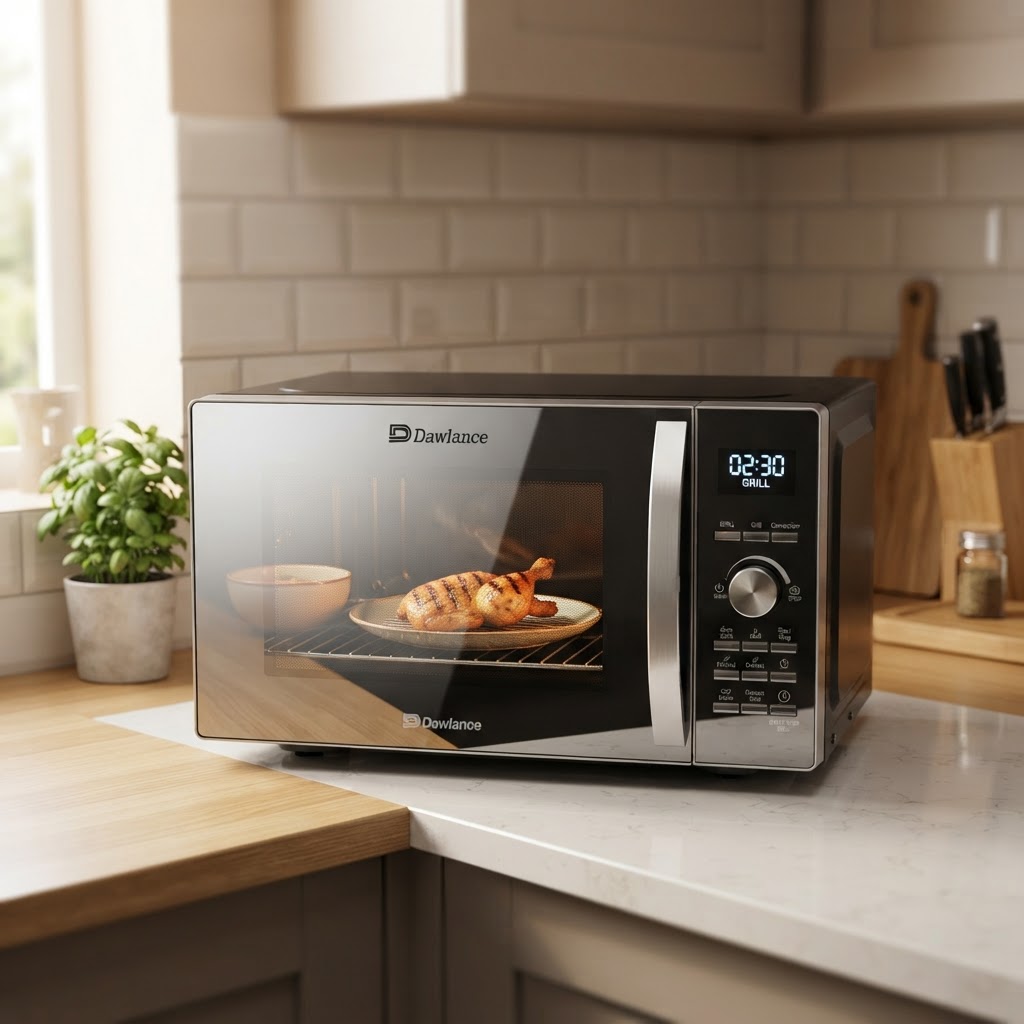
Dawlance Microwave Oven - 30L (Sialkot)

Kitchen Cabinet Set - Laminated Wood (Peshawar)
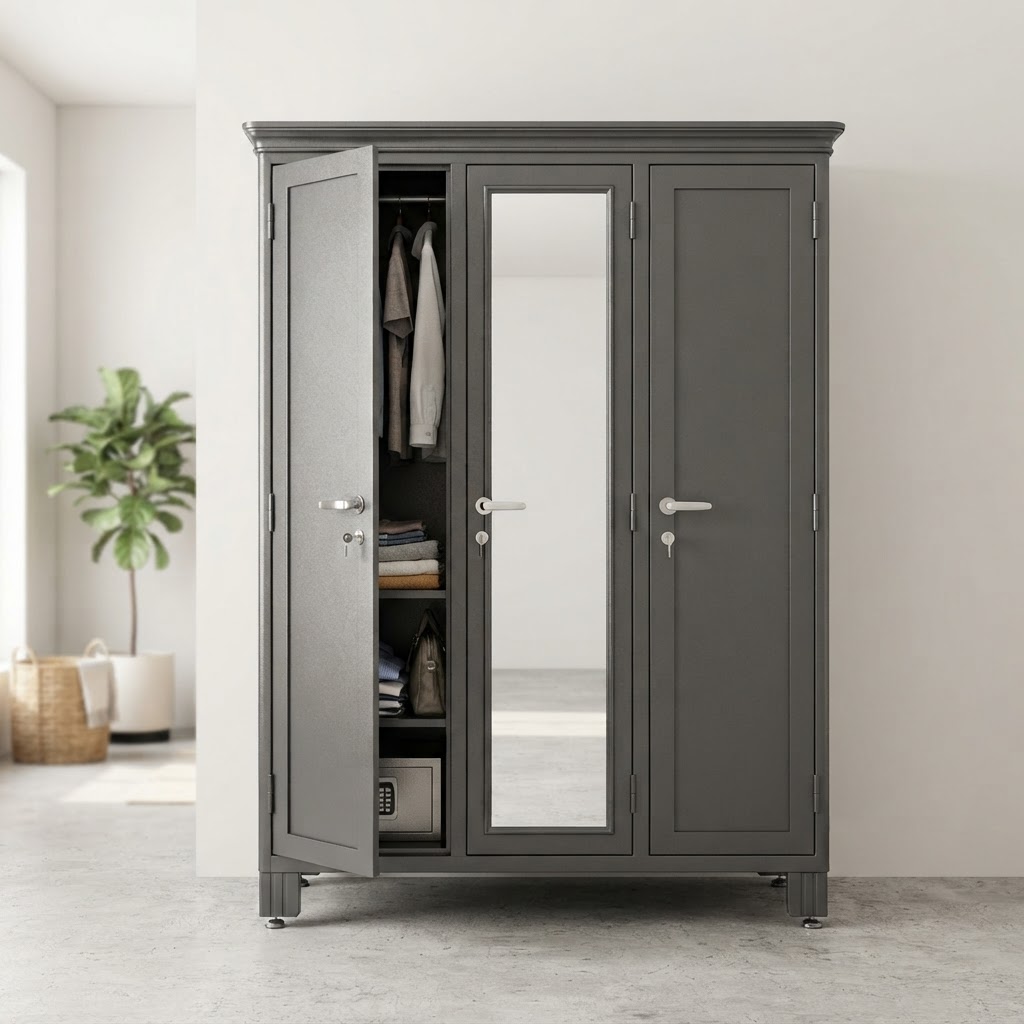
Iron Almirah 3 Door - Heavy Gauge (Lahore)
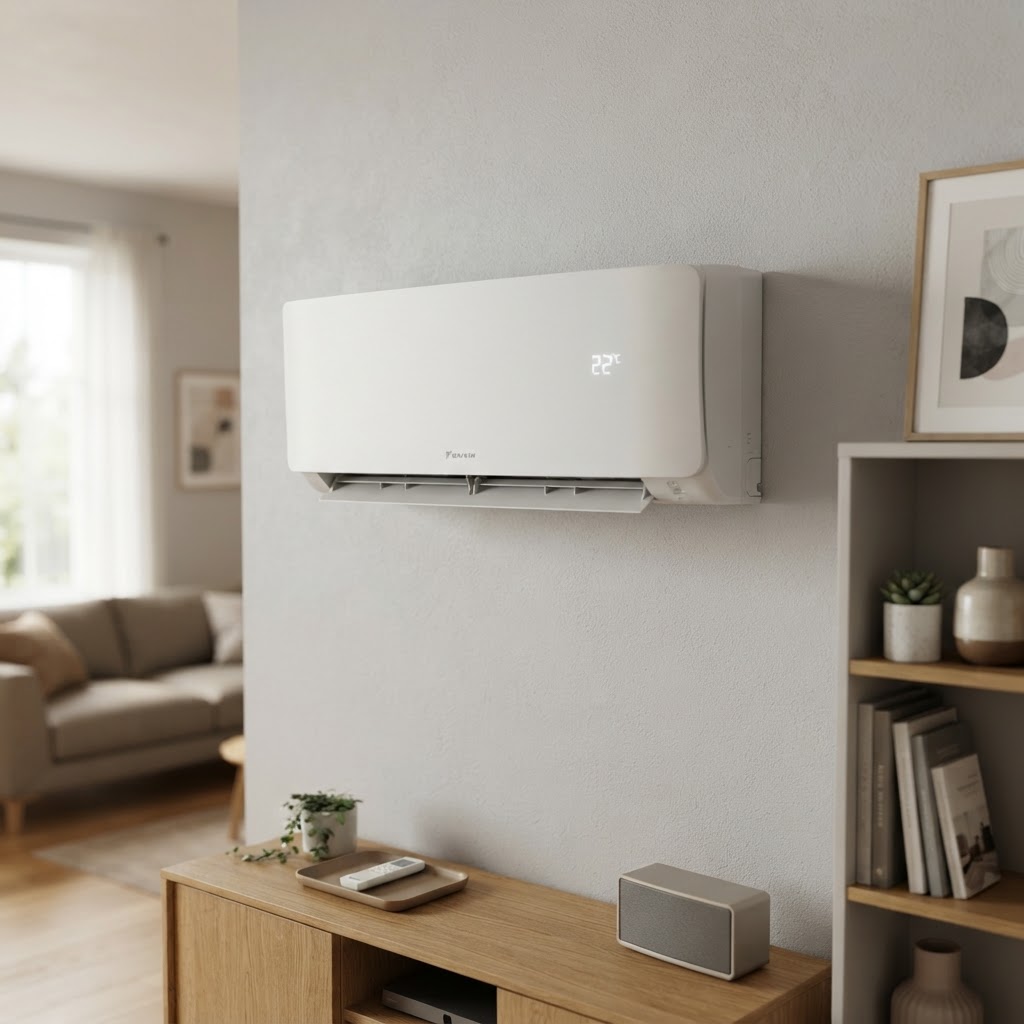
Orient Split AC 1.5 Ton - Inverter (Karachi)
Iron Almirah 3 Door - Heavy Gauge (Quetta)
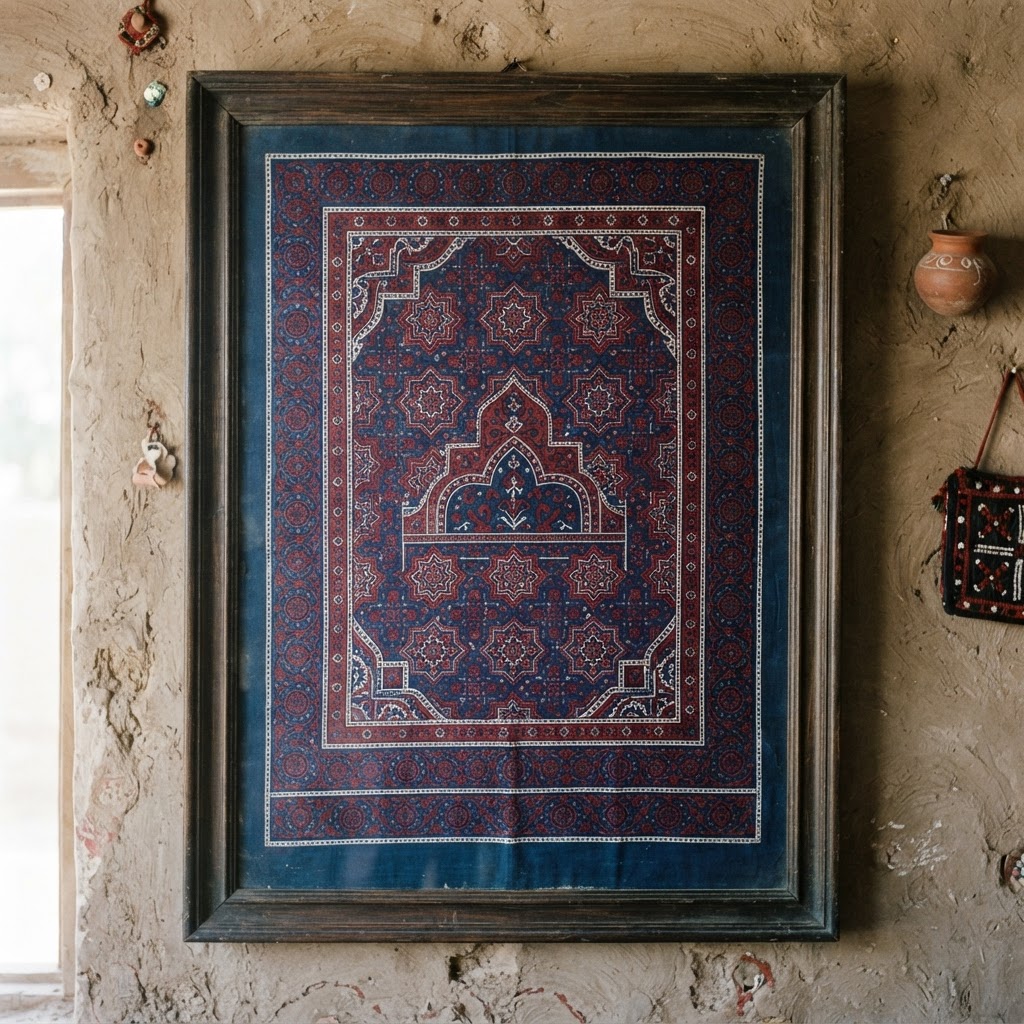
Traditional Sindhi Ajrak Hand Block Print (Framed) (Islamabad)

Antique Style Table Lamp - Brass Base

Sofa Set 7 Seater - Chenille Fabric
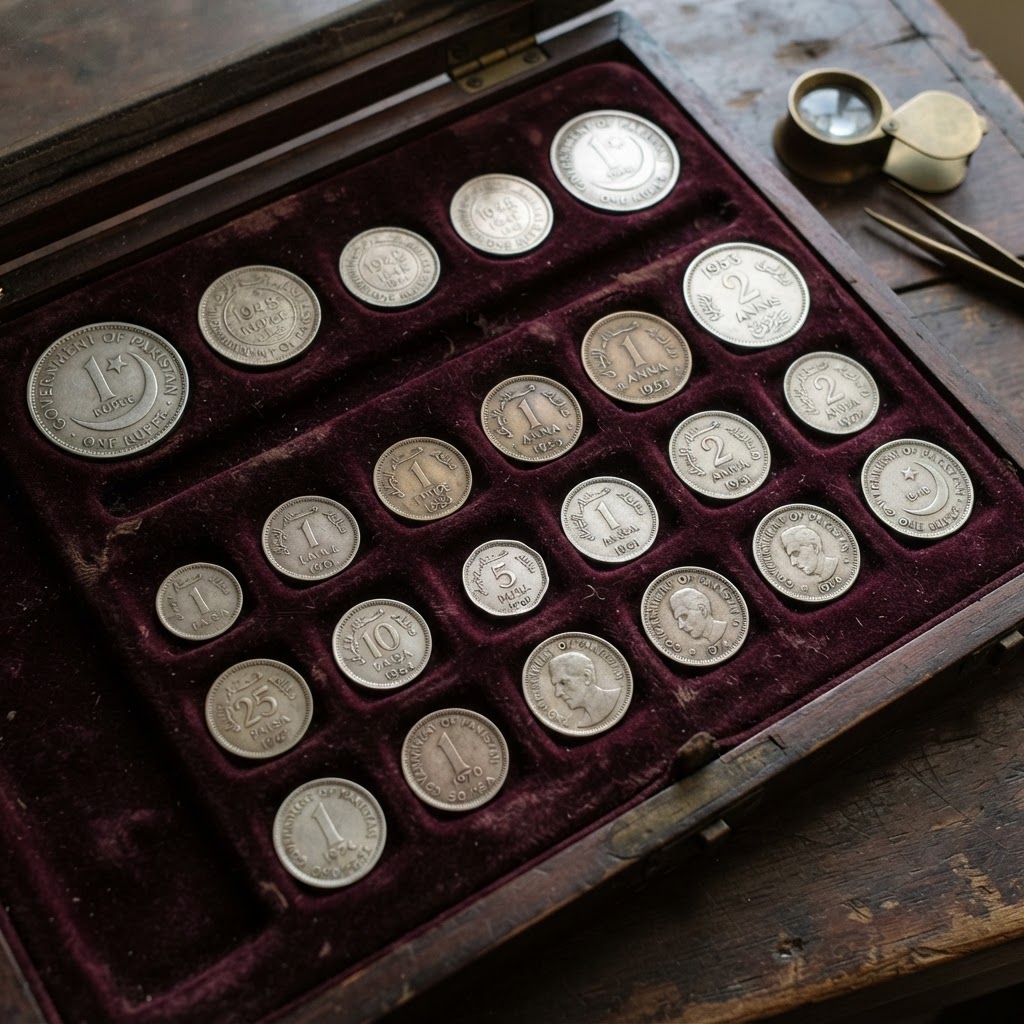
Old Pakistani Currency Coin Collection

Vintage HMT Wall Clock - Fully Functional (Karachi)
Sofa Set 7 Seater - Chenille Fabric (Faisalabad)

Old British Era Wall Clock - Antique
Old Pakistani Currency Coin Collection (Karachi)

Samsung Refrigerator - No Frost 18 Cubic Feet (Hyderabad)
Iron Almirah 3 Door - Heavy Gauge
Kitchen Cabinet Set - Laminated Wood
Orient Split AC 1.5 Ton - Inverter

Cast Iron Hand Water Pump - Antique (Rawalpindi)

Men's Sherwani - Wedding Wear
Kitchen Cabinet Set - Laminated Wood (Sialkot)
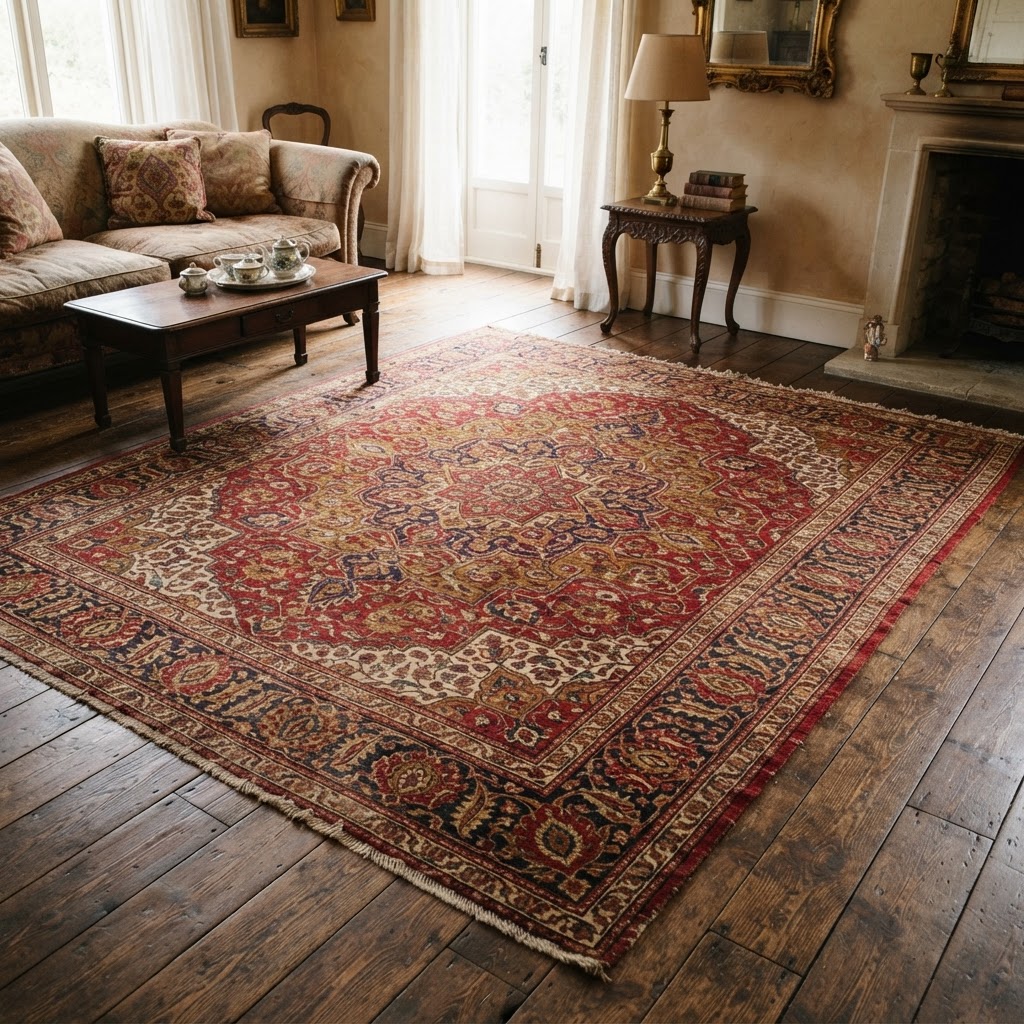
Antique Persian-Style Hand Knotted Carpet 8x10
Dawlance Microwave Oven - 30L (Faisalabad)

TV Lounge Wall Unit - Modern Design (Lahore)

iPhone 14 Pro Max 256GB – PTA Approved

[SOLD] Dawlance 9178 M - Chrome Metallic Silver Fridge
Login Required
Please login to post an ad on Yahya Marketplace.
Log in to see your saved ads.
Your Inbox
Sign in to chat with buyers and sellers. Your contact info stays private.
Scam Prevention
The tricks used most often against buyers and sellers in Pakistan, and exactly how to shut each one down.
Almost every scam here has one thing in common: money leaves your hand before you have seen, tested or received anything. Break that pattern and the vast majority of these tricks simply stop working.
Four rules that protect you
- Pay only after inspection, in person, and only for what you can see and test.
- Keep the conversation in marketplace chat so there is a record of what was promised.
- Never share OTPs, PINs, passwords or ID photos with anyone, whatever story they tell.
- If you feel rushed, confused or flattered into paying, stop. That feeling is the scam working.
Common scams and how to stop them
The advance payment or "booking fee"
How it works: The seller asks for a small deposit to hold the item, then stops responding, blocks you, or produces a different item when you arrive.
How to stop it: Never pay anything before you have inspected the item in person. There is no legitimate reason to send a holding fee to a stranger.
The fake payment screenshot
How it works: A "buyer" sends a screenshot or a forwarded bank message showing a transfer that never actually happened, then pressures you to hand over the item.
How to stop it: Open your own banking app and confirm the balance. A screenshot, a printed slip or a message from a number proves nothing.
The OTP and card-detail request
How it works: Someone claiming to be a buyer, or claiming to "verify" your account, asks for your card number, PIN, OTP or a photo of your ID.
How to stop it: Nobody legitimate needs your OTP, PIN or card details. Never share them, and never install an app a stranger sends you.
The overpayment and refund trick
How it works: You are "accidentally" sent too much money and asked to return the difference — the original transfer is later reversed.
How to stop it: Return nothing until the original payment has fully cleared and you have spoken to your bank.
The courier or "delivery agent" story
How it works: You are told a courier will collect the item or bring the money, and a "fee" must be paid first to release it.
How to stop it: Meet the buyer yourself. Pay no release, clearance or courier fee to receive money owed to you.
The urgency trap
How it works: A dramatic story and extreme time pressure — a sick relative, an emergency, "three other buyers are coming today" — designed to stop you thinking.
How to stop it: Urgency is the tool, not the reason. Slow down; a genuine seller will still be there tomorrow.
Documents that do not add up
How it works: For vehicles and property, forged registration books, fake transfer letters, or documents in someone else's name.
How to stop it: Match documents to the item and to the seller's identity, and verify ownership with the relevant authority before paying.
The too-good price
How it works: A popular phone, laptop or car priced far below market to pull in fast buyers who pay before thinking.
How to stop it: Compare with similar listings. A price that makes no sense is the warning, not the opportunity.
If you have already been caught
- Stop paying immediately, including any "recovery" fee — that is a second scam aimed at the first.
- Keep everything: messages, screenshots, account numbers, phone numbers and transaction references.
- Call your bank or wallet provider right away and report the transaction.
- File a complaint with us so the account and listing can be reviewed and removed.
- Report financial fraud to the relevant authorities in Pakistan, including the cybercrime wing where it applies.